





Face
Eye Bags & Dark Circles
The star use. Thin under-eye skin looks smoother and brighter, so shadows soften.
Explore skin
Care starts with your skin, not a treatment name.
Explore injectables
A medical consultation and an individual approach.
Explore face & body
Explore options for contour, muscle and firmness.
Explore concerns
You do not need to know the treatment. Tell us your concern.

Explore skin
Care starts with your skin, not a treatment name.
Explore injectables
A medical consultation and an individual approach.
Explore face & body
Explore options for contour, muscle and firmness.
Explore concerns
You do not need to know the treatment. Tell us your concern.

Regenerative skin repair
Regents Park Aesthetics brings polynucleotides to Wimpole Street as a gentle, regenerative under-eye treatment. They support the skin’s own repair, so thin, tired skin under the eyes looks brighter and smoother over a course of three. From £320 per area.
per treatment
You see it on a morning video call: the skin under your eyes looks more tired than you feel. Polynucleotides are purified DNA fragments, derived from salmon, injected into the skin in small deposits. Once there they act as a scaffold and a signal, stimulating fibroblasts, improving hydration and prompting the tissue to repair itself. It is a regenerative treatment, so the skin looks smoother and brighter session by session.
Face
The star use. Thin under-eye skin looks smoother and brighter, so shadows soften.

Skin
Thin, sun-damaged skin supported from within, for a fresher-looking surface.
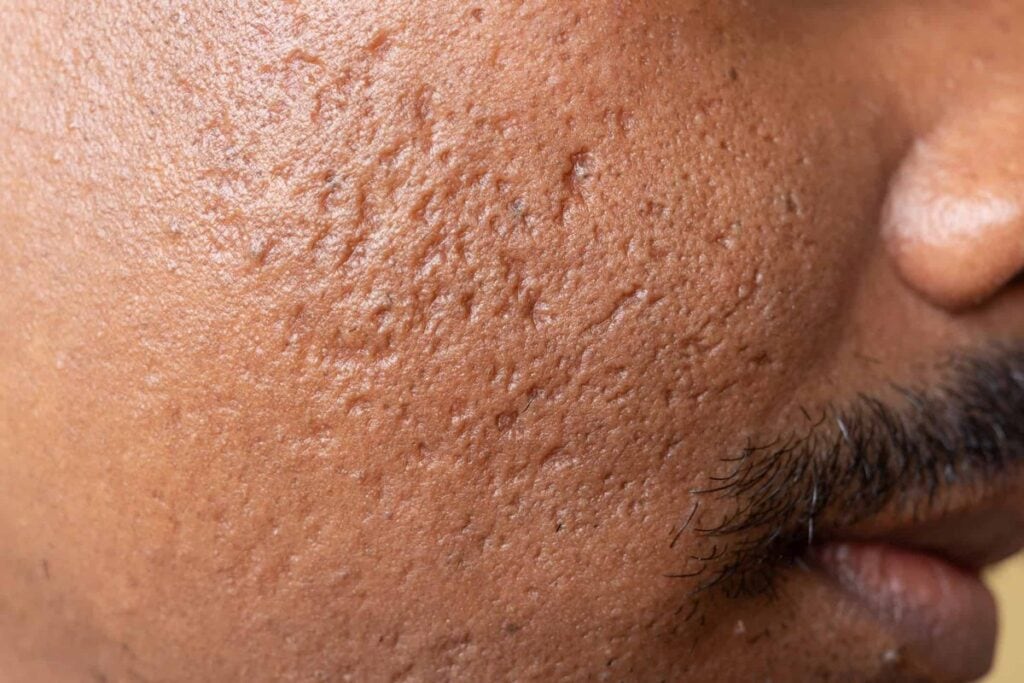
Skin
The same repair mechanism, working on scarred tissue over a course.

Skin
Hydration held within the tissue, with collagen and elastin stimulated alongside.

Body
A rising favourite for early thinning, where the same repair mechanism supports a healthier scalp environment.


Polynucleotides work on skin quality rather than volume, which is why the under eye is the area they suit best. The skin looks thicker, calmer and naturally refreshed. Photographed at MediZen, Birmingham. Individual results may vary.


Plinest polynucleotides around the eye. Image courtesy of Mastelli, maker of Plinest, published by Ardence Pharma. Individual results may vary.


Plinest polynucleotides on the cheek. Image courtesy of Mastelli, maker of Plinest, published by Ardence Pharma. Individual results may vary.


Plinest polynucleotides on the neck. Image courtesy of Mastelli, maker of Plinest, published by Ardence Pharma. Individual results may vary.
Support for the skin’s own repair, for skin that looks rested.
They work from within the skin itself, and the under-eye is where most patients fall in love with them.
Polynucleotides work from within the skin itself, and the under-eye is where most patients fall in love with them.
The thinnest skin on the face, and the area polynucleotides suit best. They improve the quality of the skin itself, so shadows soften and the eyes look rested.
Reactive or damaged skin, where the anti-inflammatory effect matters.
Scarring, often alongside microneedling.
Works on the scalp for early hair thinning.
Polynucleotides are placed within the skin itself, in small amounts across the treated area. They hold water and set the cells that build collagen to work, which is why the change shows as beautiful skin quality.


Depth and the number of sessions are set at assessment. The positions shown are illustrative, not a treatment plan.
Your clinician assesses skin quality, thickness and the cause of the concern. Where under-eye hollowing is structural, your clinician talks you through filler as the better fit.
What you feel or see A close look at the skin and what sits beneath it.
What to do Ask whether the darkness is thin skin or pigmentation, so the plan matches the cause.
Your clinician assesses skin quality, thickness and the cause of the concern. Where under-eye hollowing is structural, your clinician talks you through filler as the better fit.
What you feel or see A close look at the skin and what sits beneath it.
What to do Ask whether the darkness is thin skin or pigmentation, so the plan matches the cause.
A series of small injections across the treatment area using a fine needle or cannula. Topical anaesthetic is used under the eyes.
What you feel or see Small stings, less under the eyes once numb.
What to do Carry on with your day; the repair works quietly in the background.
Small bumps at each injection point, settling within a day. Bruising is possible under the eyes.
What you feel or see Slightly bumpy, occasionally bruised.
What to do Plan around it if you have something on.
Improvement in hydration appears within two weeks.
What you feel or see Skin feels better hydrated.
What to do Keep to ordinary skincare.
Three to four weeks apart. Three sessions make the course, because each one builds on the last.
What you feel or see As before.
What to do Book all three at the start.
Improvement builds steadily. Under-eye results are usually clearest at eight to twelve weeks: smoother, less crepey skin with softer shadowing.
What you feel or see Smoother, brighter under-eye skin.
What to do Photographs at week eight in the same light.
Results last six to nine months after a full course. Most patients repeat the course every six to nine months, or run a single maintenance session.
What you feel or see Fresh skin for six to nine months.
What to do Decide with your clinician which suits you.
Your clinician assesses skin quality, thickness and the cause of the concern. Where under-eye hollowing is structural, your clinician talks you through filler as the better fit.
A series of small injections across the treatment area using a fine needle or cannula. Topical anaesthetic is used under the eyes.
Small bumps at each injection point, settling within a day. Bruising is possible under the eyes.
Improvement in hydration appears within two weeks.
Three to four weeks apart. Three sessions make the course, because each one builds on the last.
Improvement builds steadily. Under-eye results are usually clearest at eight to twelve weeks: smoother, less crepey skin with softer shadowing.
Results last six to nine months after a full course. Most patients repeat the course every six to nine months, or run a single maintenance session.
Three sessions, each one building on the last.
Under-eye results are usually clearest at eight to twelve weeks: smoother, less crepey skin with softer shadowing.
Every patient is assessed by a qualified clinician, a doctor, nurse or other qualified practitioner, before anything is booked.

Lead Practitioner
Award-winning aesthetic nurse practitioner with more than twenty years of specialist NHS nursing and over a decade in advanced aesthetic medicine. Qualified independent prescriber and the clinic’s CQC registered manager.

Doctor
MBChB, BSc (Hons), with First-Class degrees in Physiological Sciences and in Medicine and Surgery, and extensive NHS experience across medical and surgical specialties. Trained with DermaMedical.

Aesthetic Doctor
MBBS, MRCS. An Imperial College London graduate and Member of the Royal College of Surgeons, with surgical training in plastic surgery and ENT head and neck surgery. In aesthetic practice since 2017.
Each has its own strengths, and the right choice depends on your skin and what you are treating. A consultation settles it.
| PolynucleotidesCellular repair | ProfhiloHyaluronic acid skin booster | Dermal fillersHyaluronic acid | |
|---|---|---|---|
| What it does | Supports the skin’s own repair | Hydrates and stimulates collagen | Adds volume and corrects shape immediately |
| Best for | Thin, damaged, reactive or under-eye skin, and the scalp | Crepey cheeks and neck | Volume and shape |
| Under the eyes | The strongest choice | Less suited to the very thin under-eye | Technically demanding, so expert hands matter |
| Lasts | 6 to 9 months | Around 6 months | 12 to 18 months |
| See pricing | Explore Profhilo | Explore dermal fillers |
Regents Park Aesthetics frequently combines them, running polynucleotides under the eyes and Profhilo across the cheeks in the same treatment plan.
Course3 sessions, 3 to 4 weeks apart
ResultsFrom 4 weeks
Lasts6 to 9 months
Downtime24 hours
Your plan and the number of sessions are agreed at your consultation, before anything is booked.
Purified DNA fragments, derived from salmon, injected into the skin to stimulate repair. They hydrate and prompt collagen production, improving the quality of the tissue rather than adding volume. They suit patients whose problem is tissue quality rather than shape.
That is the nickname the treatment picked up online. At Regents Park Aesthetics we use the clinical name: purified DNA fragments from salmon, processed to a medical standard.
Yes, they belong to the same family. Rejuran is the Korean original that made the treatment famous, while Plinest, Ameela and Nucleofill are the versions more commonly stocked in UK clinics. They differ in concentration and purification, not in what they are.
£320 per area at our Marylebone clinic. The protocol is three sessions three to four weeks apart, and we quote the course at consultation.
Three, spaced three to four weeks apart. The repair is cumulative, so each session builds on the one before.
Six to nine months after a full course. Most patients repeat the course annually or run a single maintenance session in between.
This is where they shine. The under-eye skin is very thin, and polynucleotides work within it without adding volume, helping to soften crepiness and shadowing.
Beautifully, when the darkness comes from thin skin showing the vessels underneath. Darkness from pigmentation has its own treatment, and a structural hollow pairs well with filler. Your clinician works out which yours is at consultation.
A series of small injections, with topical anaesthetic used under the eyes. Most patients find it very manageable.
Small bumps at each injection point for up to twenty four hours. Bruising is possible under the eyes and settles within a week.
Profhilo is hyaluronic acid working through hydration and collagen stimulation, and it suits crepey cheeks and neck. Polynucleotides are DNA fragments working through the skin’s own repair processes, and they suit thin, damaged, reactive and under-eye skin better.
Polynucleotides are generally well tolerated. Nothing is placed to hold a shape, so the treatment works gently within the skin, and your clinician runs through your medical history at the consultation.
They improve the scalp environment and are used for early thinning, often alongside PRP. They work best on follicles that are still active, which is why early treatment is ideal.
On Wimpole Street every plan starts with a conversation and a close look at your skin, so the treatment you book is the one that suits you.
Tell us what you’d like to achieve. Regents Park Aesthetics will be in touch within one working day to arrange your consultation.


